DEPARTMENT OF BIOLOGY/ SUSTAINABILITY
A University of Pisa study, conducted within the national ReSurvey Dunes project and published in the journal Regional Studies in Marine Science
Department of Civil and Industrial Engineering/ SUSTAINABILITY
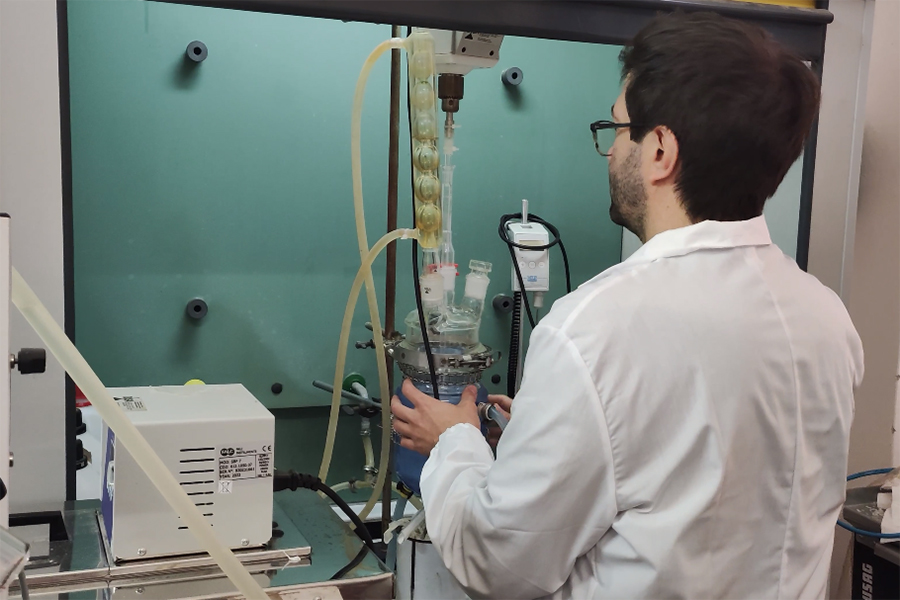
Studies coordinated by the University of Pisa published in Scientific Reports, Materials Today Sustainability and the Chemical Engineering Journal
DEPARTMENT OF INFORMATION ENGINEERING/ RESEARCH
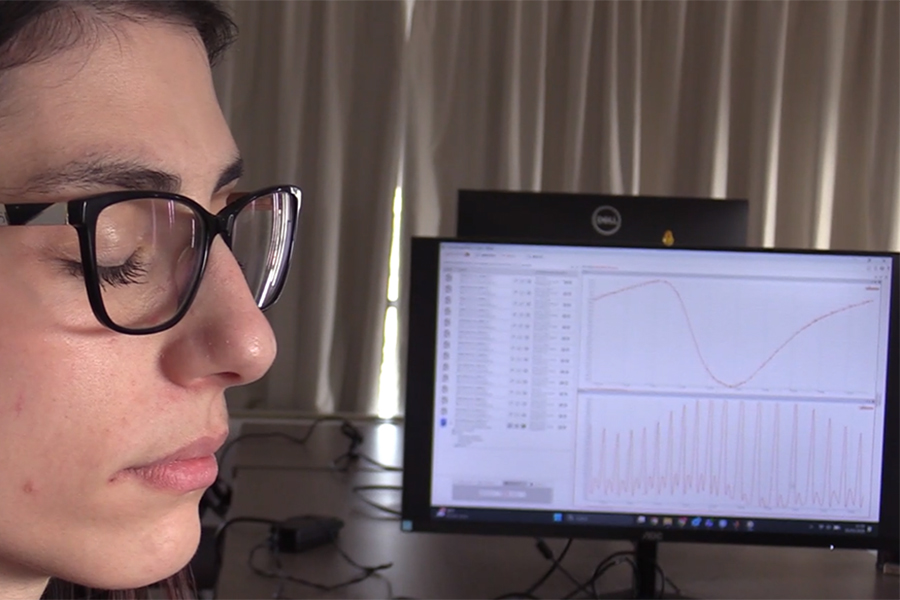
Combining technology, mathematics and psychology to support couples undergoing assisted reproduction: this is the goal of…
CrossLab/ DEPARTMENT OF INFORMATION ENGINEERING/ SOCIETY
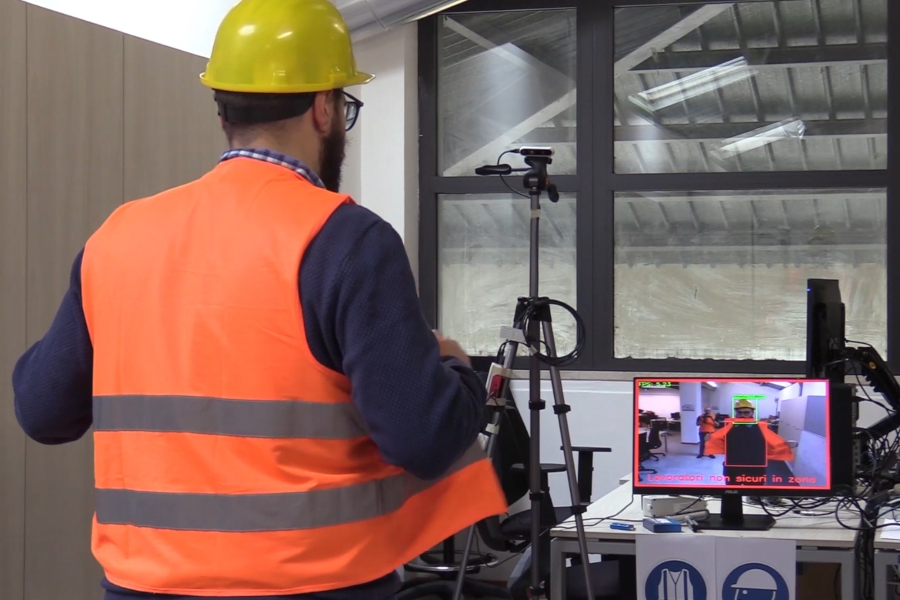
The University of Pisa’s CrossLab has developed a surveillance system that stops machines if workers are…

INTERNATIONAL/ STUDENTS
The new national call for applications, coordinated by UNHCR, has been published. The University of Pisa…
DEPARTMENT OF BIOLOGY/ SUSTAINABILITY
A University of Pisa study, conducted within the national ReSurvey Dunes project and published in the…
DEPARTMENT OF AGRICULTURAL FOOD AND AGRO-ENVIRONMENTAL SCIENCESE/ RESEARCH/ SUSTAINABILITY
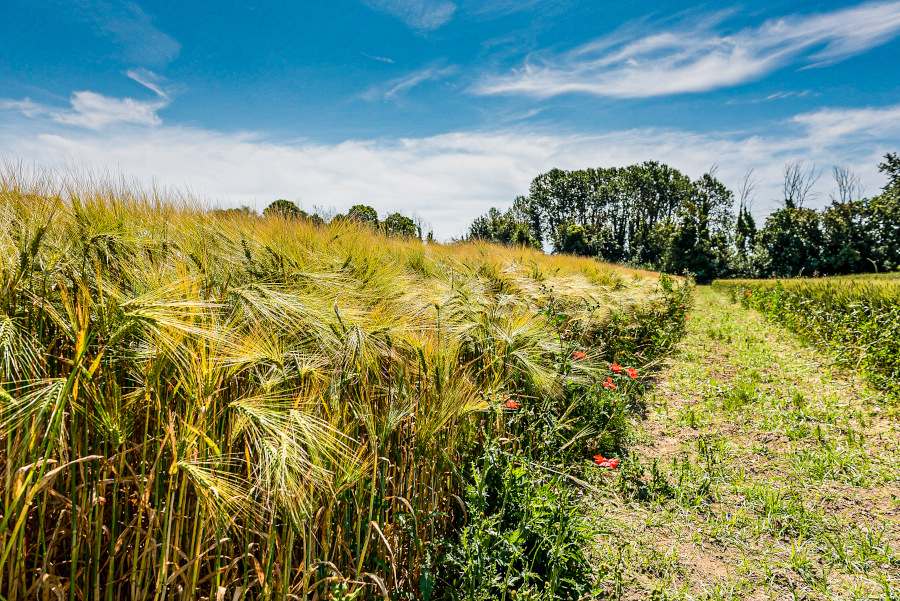
A study published in the journal Nature Microbiology, with the participation of the University of Pisa,…
RESEARCH
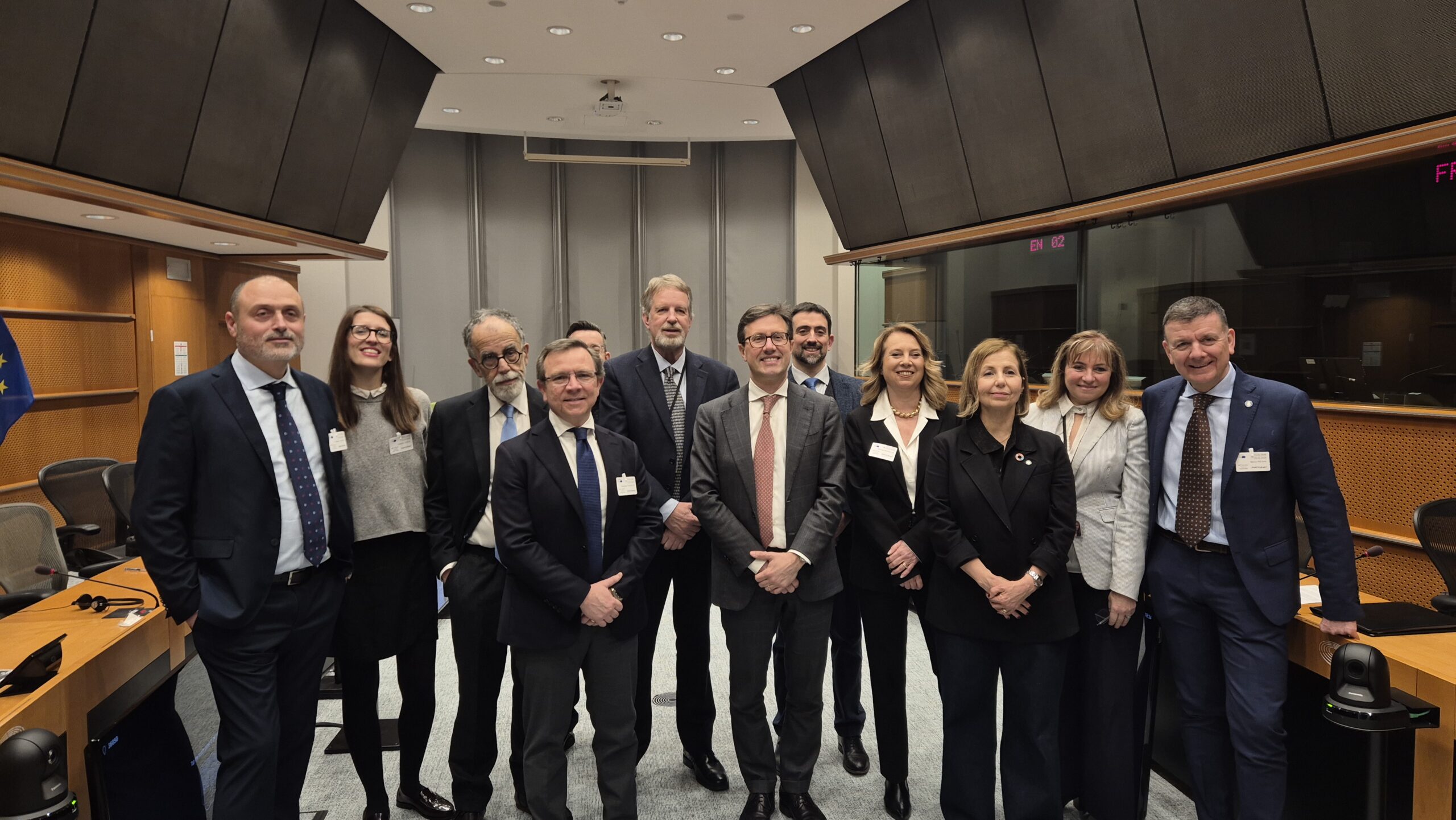
Professor Federico Cantini, the University of Pisa’s Vice-Rector for Research in the Social Sciences and Humanities,…
View all
Combining technology, mathematics and psychology to support couples undergoing assisted reproduction: this is the goal of the MOONSHINE project, coordinated by the University of Pisa
Department of Civil and Industrial Engineering/ SUSTAINABILITY
Studies coordinated by the University of Pisa published in Scientific Reports, Materials Today Sustainability and the…
DEPARTMENT OF BIOLOGY/ SUSTAINABILITY
A University of Pisa study, conducted within the national ReSurvey Dunes project and published in the…
DEPARTMENT OF AGRICULTURAL FOOD AND AGRO-ENVIRONMENTAL SCIENCESE/ RESEARCH/ SUSTAINABILITY
A study published in the journal Nature Microbiology, with the participation of the University of Pisa,…
RESEARCH
Professor Federico Cantini, the University of Pisa’s Vice-Rector for Research in the Social Sciences and Humanities,…
Tutte le ultime news
Scenarios
International Holocaust Remembrance Day: confronting the past and the responsibility of the present
Celebrato, discusso, criticato, talvolta anche deriso, il Giorno della Memoria costituisce una ricorrenza tanto importante quanto scomoda nel calendario civile nazionale e internazionale. Essa costituisce un invito a un’assunzione di responsabilità, sollecitando i singoli e costringendo istituzioni e comunità nazionali a confrontarsi col passato e a ripensare, anche alla luce di questo confronto, il proprio tempo.
In effetti, la memoria lega in modo peculiare e indissolubile passato e presente, influendo così anche sul futuro.
Celebrated, debated, criticised and at times even mocked, International Holocaust Remembrance Day remains a profoundly important yet deeply uncomfortable commemoration within the national and international civic calendar. It represents a call to take responsibility, urging individuals and compelling institutions and national communities to confront the past and to rethink the present in the light of this confrontation.
Indeed, memory forges a distinctive and inseparable link between past and present, thereby shaping the future. This characteristic underpinned the establishment of International Holocaust Remembrance Day: first in Italy, with Law no. 211 of 20 July 2000, which instituted the commemoration “in memory of the extermination and persecution of the Jewish people and of Italian military and political deportees in Nazi camps”; and later with the 2005 United Nations resolution, which designated 27 January as the International Day of Commemoration in Memory of the Victims of the Holocaust, with the explicit aim of countering all forms of denial of the extermination of the Jews. In both cases, the decision was based on the belief that a consciously cultivated memory helps to develop a civic conscience, ensuring that such crimes are never repeated — “never again”.
In the decades that separate us from those founding texts, countless public and private initiatives have sought to respond to that call. Over time, the Shoah and the crimes committed in Nazi concentration camps — with the complicity of other nation-states — have become part of our cultural memory, shaping the collective imagination of generations born after that historical period. This shift from the historical to the symbolic and cultural plane is largely driven by a universalist impulse that is not tied to specific groups. At the same time, however, when detached from its historical context, memory can lead both to processes of removal and distortion of the questions that the past poses to individual and collective consciences, and to attempts to “domesticate” memory through ritualisation or by linking it to particular perspectives and aims at the expense of others that are equally legitimate and complementary — or even opposed. When not treated as taboo, these phenomena offer valuable material for reflection on the present and challenge us with a force comparable to that of historical study itself.
In fact, memory — especially of a past dominated by death and institutionalised violence — is not sufficient to foster historical and civic awareness. Without critical reflection and knowledge, memory can instead give rise to a sense of impotence, aphasia, fear, and new forms of trauma, encouraging rejection and denial of history. The drafters of the Italian law and the UN resolution appear to have been aware of this, as they entrusted the fulfilment of the spirit underlying the institution of International Holocaust Remembrance Day to educational programmes — albeit not clearly specified — to be implemented in schools and relevant institutions.
Once again this year, it is within this framework that the Interdepartmental Centre for Jewish Studies “Michele Luzzati” (CISE) of the University of Pisa — which brings together the Humanities Departments of the University (CFS and FILELI) — has welcomed proposals for collaboration from local schools and civic institutions, and has in turn promoted a number of initiatives specifically designed to accompany both the school and student population and the wider public along a path of reflection and knowledge. This approach aims to preserve the memory of the past without evading the questions posed by the present. In particular, the Centre is collaborating on a training programme for students and PhD candidates who will take part in the study trip to Kraków and Auschwitz, promoted by the University of Pisa through the CIDIC. The programme includes a series of seminars with a historical focus but also linked to contemporary issues, followed by meetings of a more cultural nature (literary and artistic).
Alongside these seminars, CISE — in collaboration with the Museum of Graphics (Municipality of Pisa and University of Pisa), the Domus Mazziniana and the CIDIC — has organised the exhibition Muselmann: Giorno della Memoria (Museum of Graphics, 17–31 January 2026). Curated by the artist and lecturer Barbara Nahmad of the Brera Academy of Fine Arts, the exhibition offers free guided tours for local school groups.
The exhibition, created by students of the Academy and inspired by Diario di Gusen. Lettere a Maria by the painter Aldo Carpi — a survivor of the concentration camps, to which he was deported as an antifascist and as the grandson of a Jewish man — was selected because it provides an extraordinary testimony to how young artists, belonging to the third generation after the Second World War and the Shoah, have engaged with this memory. Through graphic art, they have succeeded in making it a living matter, enabling viewers to measure their own gaze and interpretative frameworks, and to reflect on the relationship they maintain both with that past and with the present, 81 years after the liberation of Auschwitz by Soviet troops.
Serena Grazzini
Director of the Interdepartmental Centre for Jewish Studies “Michele Luzzati”,
University of Pisa

Serena Grazzini
Read all
All News
It is the first department at the University to receive ISO 9001:2015 certification
Samuel Worku Demise, Yonas Girma Tekele and Abij Kinfle Assefa are enrolled on the Master’s degree course in Paper and Cardboard Engineering
Five students awarded new qualification granting direct access to the profession of psychologist
Scholars and young researchers discussed the challenges and prospects of contemporary democracy with the keynote speech by Professor Dan Banik, Director of the Circle U. Democracy Hub.
Combining technology, mathematics and psychology to support couples undergoing assisted reproduction: this is the goal of the MOONSHINE project, coordinated by the University of Pisa
Studies coordinated by the University of Pisa published in Scientific Reports, Materials Today Sustainability and the Chemical Engineering Journal
A University of Pisa study, conducted within the national ReSurvey Dunes project and published in the journal Regional Studies in Marine Science
A study published in the journal Nature Microbiology, with the participation of the University of Pisa, clarifies the benefits and limitations of one of the most widely used beneficial organisms for plant protection
Professor Federico Cantini, the University of Pisa’s Vice-Rector for Research in the Social Sciences and Humanities, took part in the mission
The University of Pisa’s CrossLab has developed a surveillance system that stops machines if workers are not wearing safety equipment
The new national call for applications, coordinated by UNHCR, has been published. The University of Pisa will select and welcome a refugee student for the 2026/27 academic year
Research conducted at the Ornellaia estate in Bolgheri, Tuscany, shows that targeted use of UV-C radiation can produce grapes richer in colour and aroma, without reducing yields
Photo News
The Northern Lights Reach Our Latitudes
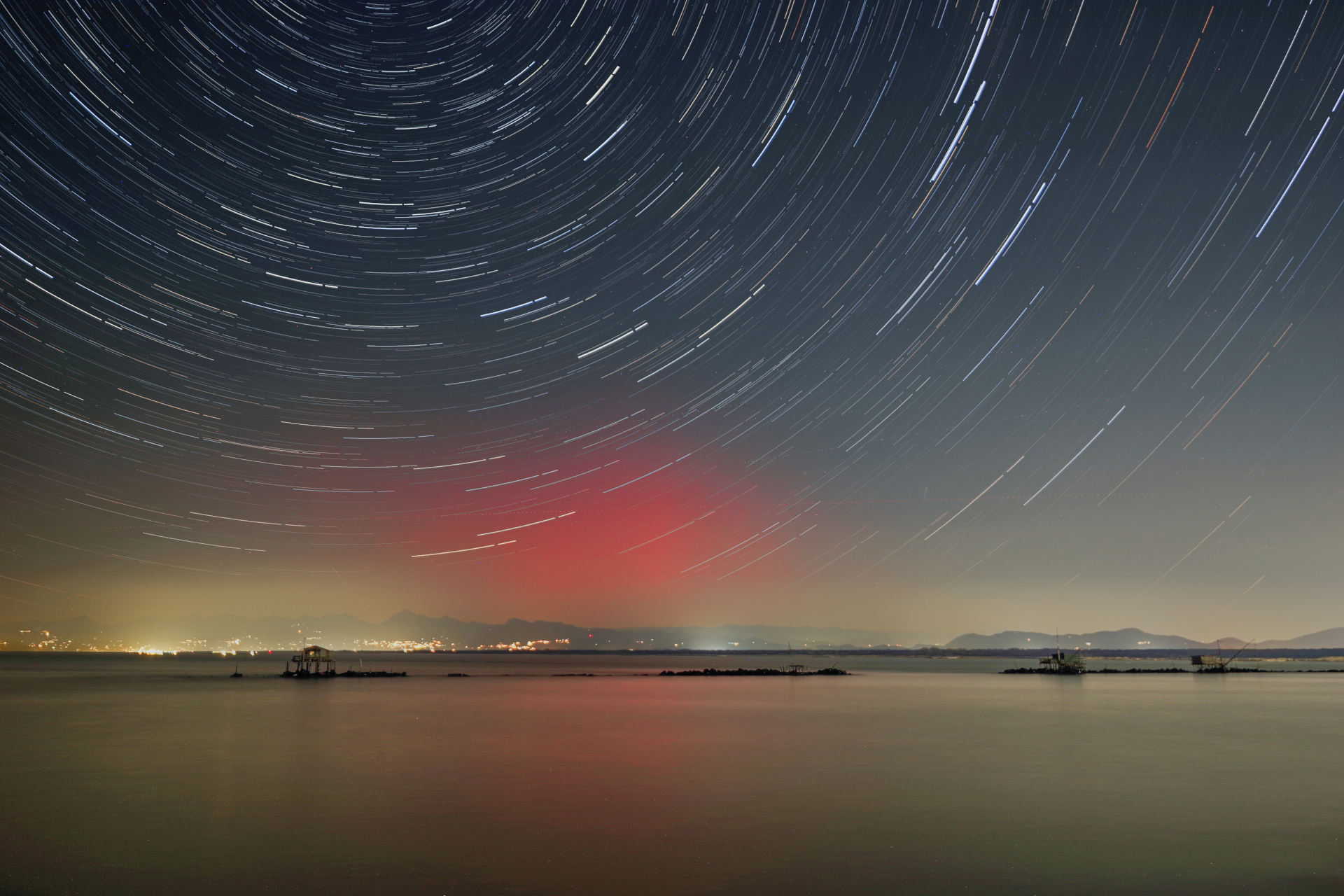
The aurora borealis is a spectacular light display that occurs when several favorable conditions align. It is caused by the interaction between the solar wind and the Earth’s geomagnetic field. This phenomenon typically appears in polar regions, but during periods of intense solar activity, the higher-altitude red portions of the aurora — a color produced by the emission of light from excited oxygen atoms — can also become visible at lower latitudes.
We are pleased to share a stunning image captured by Gashanew Ficini, a student in the Department of Earth Sciences. The photograph, taken from Bocca d’Arno facing the Apuan Alps on January 20, is part of the Department of Earth Sciences’ “Photo of the Week” series, which features geology-related images created by DST staff, and especially by students and PhD candidates.
Topics
Circle u.
INSIDE UNPI
RESEARCH
INTERNATIONAL
STUDENTS
Education
SUSTAINABILITY
Video
Who decides for Greenland? Heritage, legitimacy, and geopolitical attention
This Circle U. Open Conversation brought together interdisciplinary perspectives to examine Greenland’s evolving position in a rapidly shifting global order. The panel explored Denmark’s legal and political authority over Greenland, assessed how and to what extent Greenland had benefited under Danish rule, and considered local expectations regarding autonomy, welfare, identity, and future statehood. Participants: Thea Bladt, PhD Student in History and steering committee member of the Uses of the Past Memory and Heritage Research Center (UPAST) at Aarhus University; Paninnguaq Boassen, PhD student in the Institute of Culture, Language, and History at Ilisimatusarfik, University of Greenland. Moderated by Professor Dan Banik, Academic Director of the Circle U. Knowledge Hub on Democracy.
No data was found